
Dental pain can stop your day. A cracked tooth, lost filling, or sudden swelling can feel frightening. You need fast help, clear answers, and a safe plan. Family dentistry practices often provide emergency care that treats pain, protects your health, and keeps small problems from turning into serious damage. You may not know when to call, what counts as an emergency, or what treatment to expect. This blog explains common dental emergencies, how a family dentist responds, and what you can do before you reach the office. It also describes how a Ladera Ranch dentist and similar family providers handle urgent calls for children, adults, and older patients. You will see which problems need same-day care, which can wait, and how to prepare for the unexpected. With the right information, you can act quickly, protect your mouth, and feel steady during a stressful moment.
What Counts As A Dental Emergency
You may feel unsure about when to call. Use three simple questions.
- Are you in severe pain that does not ease
- Is there bleeding that will not slow
- Is a tooth loose, broken, or missing
If you answer yes to any of these, call your family dentist right away. You should also call if you notice
- Facial swelling or a warm lump near a tooth
- Sudden injury to the mouth or jaw
- Metal or sharp pieces from a broken filling or crown
True emergencies can affect your whole body. An infection in your mouth can spread and cause serious illness. The Centers for Disease Control and Prevention explains that untreated tooth decay and gum infection can lead to pain and infection. You protect more than your smile when you act fast.
Common Emergencies Family Dentists Treat
Family practices see the same urgent problems again and again. You are not alone. Common visits include
- Toothache that keeps you awake or stops you from eating
- Broken or chipped tooth from a fall or hard food
- Knocked out tooth from sports or a crash
- Cracked filling, broken crown, or loose bridge
- Swelling from an infected tooth or gum
- Object stuck between teeth that you cannot remove
- Injury to lips, tongue, or cheeks from a bite or hit
Each problem needs a clear plan. A family dentist can often see you the same day. Some offices leave time open each day for urgent visits. Others give clear steps by phone before you arrive.
How Family Dentistry Handles Emergency Visits
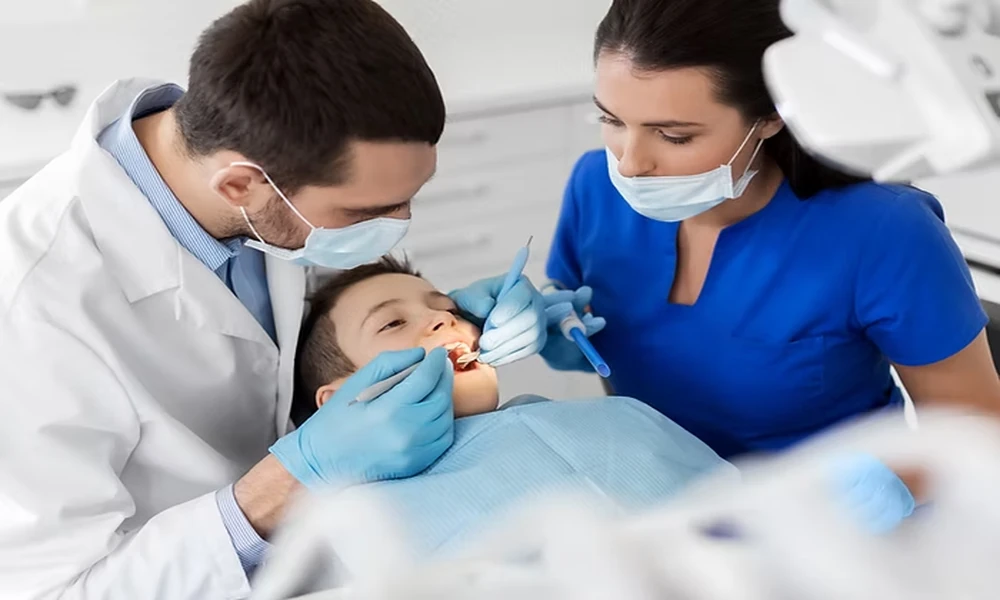
A family office knows your history. That helps in a crisis. When you call, staff usually
- Ask about your pain level and symptoms
- Check for fever or trouble breathing
- Give simple steps for pain control at home
- Offer the first open time slot or refer you if needed
During the visit the dentist will
- Look at your teeth and gums
- Take X rays if needed
- Explain what is wrong and your options
- Start treatment to stop pain and control the cause
Emergency care has one clear order. First stop pain. Then protect the tooth. Then plan long-term repair.
Comparison Of Common Dental Emergencies
| Problem | Urgency | What You Should Do At Home | Typical Office Treatment |
|---|---|---|---|
| Severe toothache | Same day | Rinse with warm salt water. Use a cold pack on the cheek. Use over-the-counter pain relief if you can take it. | Exam, X-rays, relief of pressure, possible filling, root canal, or tooth removal. |
| Knocked out adult tooth | Immediate within 1 hour if possible | Pick up the tooth by the crown. Rinse gently. Place back in the socket or in milk. Go to the dentist fast. | Replant tooth, splint to nearby teeth, start follow-up care. |
| Broken or chipped tooth | Same day or next day | Save broken pieces. Rinse mouth. Cover sharp edges with wax or sugar-free gum. | Smooth the edge, place filling or crown, or plan root canal if the nerve is open. |
| Swelling or abscess | Same day. Emergency room if you have a fever or trouble breathing | Do not press the swelling. Use a cold pack. Take pain relief if safe. Seek care at once. | Drain the infection, start antibiotics if needed, begin root canal, or remove tooth. |
| Lost filling or crownthe | Next day unless you have pain | Keep the crown. Avoid chewing on that side. Use temporary dental cement from a drugstore if advised. | Re-cement the crown or place a new filling or crown. |
Emergency Care For Children And Older Adults
Family practices treat every age. Children and older adults often need special care.
For children
- Falls at school or sports can chip or knock out teeth
- Baby teeth that are knocked out are not placed back in
- Strong fear or past trauma may need extra time and calm words
For older adults
- Broken dentures can affect eating
- Dry mouth from medicine can raise the risk of decay
- Chronic illness may limit which pain drugs or treatments are safe
The National Institute of Dental and Craniofacial Research notes that older adults face higher rates of untreated decay and tooth loss. Regular care and fast response to problems can prevent long hospital stays and heavy costs.
How To Prepare Before An Emergency
You can feel steadier if you plan. Three steps help.
- Save your family dentist’s number in your phone and on your fridge
- Ask about after-hours care and weekend policies
- Keep a small dental kit at home
Your kit can include
- Gauze pads
- Small container with lid
- Over-the-counter pain relief that your doctor says is safe
- Dental wax or temporary filling material
Teach children how to tell you about pain. Also teach them not to place aspirin on a tooth or gum. That can burn tissue and cause more harm.
When You Should Go To The Emergency Room
Most dental crises can be handled in a family practice. Still, you must go to an emergency room or call 911 if you have
- Swelling that makes it hard to breathe or swallow
- Fever with shaking or chills
- Injury to the jaw with trouble closing your mouth
- Heavy bleeding that you cannot slow with pressure
In these cases, time is critical. Hospital staff can protect your airway and treat infection. Then you can return to your dentist for follow up repair.
Use Your Family Dentist As Your Firfollow-uph2>
Emergency dental care is part of everyday practice in many family offices. When you know what counts as urgent, how care works, and what to do at home, you lower fear and protect your health. Call your family dentist at the first sign of strong pain or swelling. Quick action today can save a tooth, psevere infection, and keep your life steady.