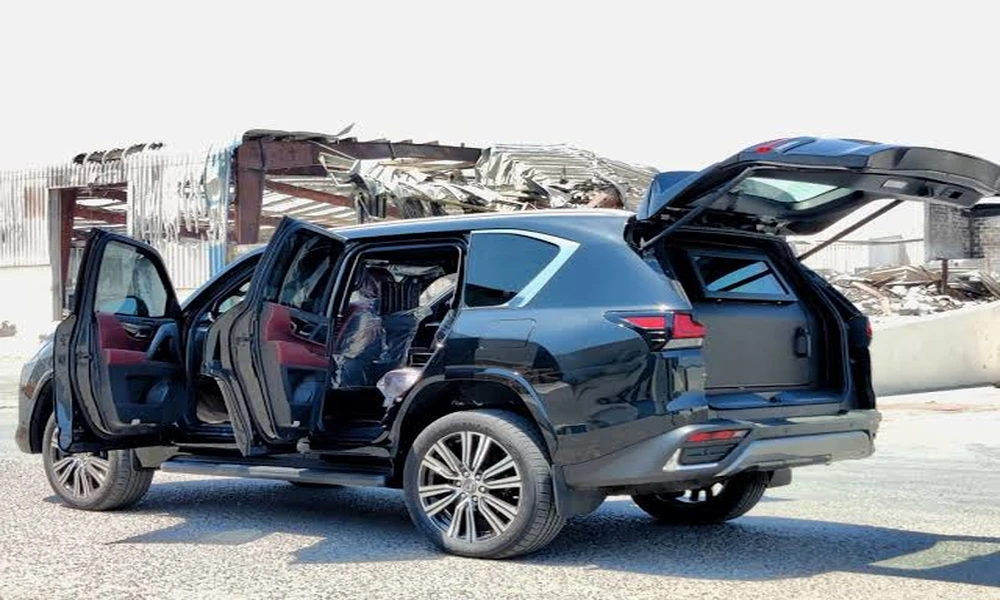

Modern armored SUVs are a marvel of engineering, blending invisibility with impenetrable strength. In a world where executive security is paramount and threats constantly evolve, these vehicles have become a crucial line of defense. But what transforms a luxury SUV into a rolling fortress that inspires confidence?
The Origins of Armored SUVs: From Concept to Necessity
The first armored vehicles were little more than modified limousines with steel plates awkwardly bolted to their bodies. It wasn’t until executive kidnappings surged in the late 20th century that civilian armored SUVs really took off. As criminal tactics advanced and geopolitical tensions escalated, the call for reliable personal security vehicles grew louder. Demand shifted from military and cash-in-transit trucks to unassuming yet highly protected vehicles for families, dignitaries, and top executives.
Year after year, security requirements climbed higher as organized crime and terrorism introduced increasingly sophisticated weapons. This continual threat evolution means armored SUV designs must stay ahead, integrating not just brute force protection but also intelligence and adaptability.
Designing for Protection: Core Engineering Principles
Building true security into an SUV starts at the molecular level. The science of ballistics is central, selecting and shaping materials such as high-hardened steel, ballistic fiberglass, and advanced ceramics to absorb and dissipate the energy of gunfire.
But bullet resistance is only part of the story. Reinforcing the underlying chassis is critical. Engineers examine every weld and joint, searching for weaknesses that could compromise protection. Every structural modification is stress-tested to ensure it doesn’t sacrifice safety or vehicle integrity.
As threats diversify, so do countermeasures. Modern armored SUVs incorporate blast-resistant floors and run-flat tire systems, designed not just to stop bullets but to protect against grenades and IEDs. Electronics integrate discreet emergency systems, from sirens to smoke screens, all without tipping off potential assailants to the vehicle’s true capabilities.
The Armoring Process: Step-by-Step Engineering
Turning a factory SUV into a security machine is a meticulous, multi-stage process:
Chassis Delivery and Initial Inspection: The journey starts with a standard, often luxury, SUV. Every inch is scrutinized for imperfections that could affect armoring.
Preparation: Stripping and Reinforcing the Frame: Technicians carefully remove the interior, exposing the skeleton. Select parts are reinforced with high-strength steel before every surface is repainted to prevent corrosion.
Assembly: Installing Armored Panels and Bulletproof Glass: Custom-shaped armor panels are bonded seamlessly to the body. Bulletproof glass, sometimes up to two inches thick, replaces factory windows but matches the original look.
Suspension and Brake System Upgrades for Added Weight: Armor is heavy. To keep the SUV agile and safe, the suspension and brakes are thoroughly upgraded, ensuring the vehicle handles predictably even under stress.
Integration of Security Electronics and Systems: The finishing touch comes with the installation of specialized electronics. This might include encrypted communications, tracking systems, or onboard medical kits, tailored to the client’s threat profile.
Quality Assurance: Ensuring Reliability and Safety
No armored SUV leaves the factory without rigorous testing. Ballistic trials subject vehicles to a barrage of fire, while blast resistance is verified with explosive tests around the cabin and undercarriage. Next comes performance testing. Engineers push the SUV to its limits, validating that added weight hasn’t crippled handling, braking, or acceleration.
Finally, certification must satisfy international standards, such as VPAM or NIJ, assuring buyers that their vehicle delivers on its promise of safety.
Innovations Shaping the Future of Armored SUVs
The future is being shaped by materials engineers obsessed with strength-to-weight ratios. Lightweight composites and nanotechnology are steadily reducing the weight of armor without sacrificing protection. Meanwhile, the integration of advanced security systems, including thermal cameras and biometric locks, ensure SUVs stay a step ahead of would-be attackers.
The next wave? Autonomous features that allow for remote vehicle operation during emergencies and robust cybersecurity systems to thwart digital threats.
Customization and End-User Considerations
A top-tier armored SUV must offer more than protection. Buyers expect luxury finishes, quiet rides, and climate control systems that rival private jets. Customization is standard, from tailored seating layouts to specific threat level adaptations.
Protective solutions are deeply individualized. Some clients need blast resistance for war zones, others want non-lethal deterrents in urban settings. Aftermarket services, especially access to certified spare parts and maintenance, are critical for long-term peace of mind.
The Global Impact and Industry Leaders
Worldwide demand for armored SUVs is booming, though the regions and requirements vary. Latin America and the Middle East drive high-volume orders, while North America focuses on discreet executive protection.
Among industry leaders, Troy Armoring stands out for its process-driven philosophy. Their approach combines deep material science with meticulous quality control. For those seeking detailed insight or considering a purchase, Troy Armoring bulletproof vehicles is an excellent resource.
Looking Ahead: The Next Generation of Armored Vehicles
Emerging technologies are transforming the industry. Electric drivetrains are being adapted for armored use, offering quiet operation and reduced heat signatures. Sustainable materials and eco-friendly production methods reflect a growing environmental awareness in vehicle manufacturing.
As global threats diversify, armored SUV engineering must anticipate new challenges, blending resilience with adaptability. The future will not only be more secure, but smarter and more sustainable. For those who value both safety and innovation, armored SUVs represent the cutting edge where engineering meets necessity.