
Steel is the backbone of modern construction in Quebec, but the way builders source their pipe materials can make or break a project’s bottom line. With construction costs in the province still climbing and supply chain hiccups never far from the headlines, contractors and developers across Quebec are taking a closer look at surplus steel pipe as a strategic solution. But how does tapping into surplus supplies actually affect building costs or project outcomes?
The Role of Steel Pipe in Quebec Construction Projects
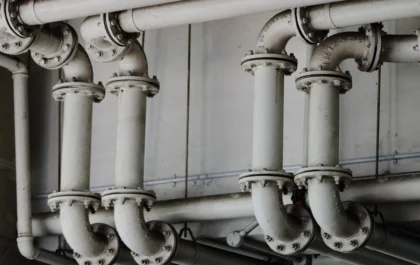
Steel pipe isn’t just for massive infrastructure. In Quebec, it forms the skeleton of everything from urban condo towers to rural road culverts. Foundation piling, drainage systems, and structural supports all depend on the right steel pipe dimensions and grades. When soil is unpredictable or groundwater is an issue, heavy-wall piling pipe ensures that foundations stand firm. In exposed or high-traffic zones, robust casing and seamless pipe keep drainage flowing and structures stabilized.
But not all steel pipe is created equal. The demands of each project, whether structural strength, corrosion resistance, or exact sizing, make material quality and specifications absolutely critical. A mismatch between what the blueprint calls for and what ends up on site can cause costly delays or compliance headaches.
Surplus Steel Pipe: A Cost-Effective Alternative
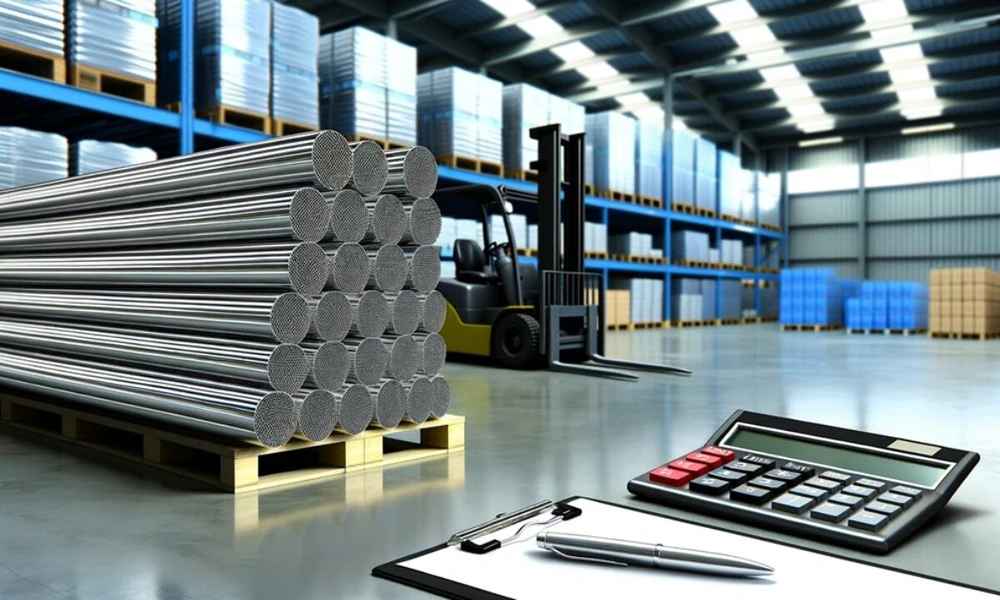
So what’s the difference between surplus and new steel pipe? Surplus pipe typically comes from overruns, cancelled projects, or excess inventory, while used pipe may be repurposed from previous jobs but graded for continued strength. The advantage is simple: surplus inventory is usually priced significantly below new stock, without sacrificing quality when sourced from reputable suppliers.
In the Greater Montreal area, surplus isn’t hard to find. Local yards refresh their stock constantly, buying up new, used, and surplus pipe in a range of sizes and thicknesses. For instance, a Montreal contractor recently sourced piling pipe for an apartment foundation, without waiting weeks for a special order or blowing the budget on brand-new material. The pipe met all structural specs, and the job was completed on schedule.
Impact of Surplus Steel Pipe on Building Costs
Is the price difference actually substantial? A quick comparison tells the story:
| Pipe Type | Typical Price (per foot) | Availability | Lead Time |
|——————|————————-|——————–|————-|
| New | $20 – $30 | Variable | 1-4 weeks |
| Prime Surplus | $12 – $18 | Regularly stocked | Same/Next Day|
| Used (Graded) | $8 – $14 | Rotating inventory | Same Week |
Sourcing surplus or used pipe can shave thousands off a mid-sized project. Savings aren’t just in the sticker price, either. With local inventory, project managers can avoid shipping delays, minimizing costly downtime. For a recent residential development in Montreal, surplus pipe cut initial material costs by 30 percent and kept the timeline tight despite tight labor availability.
Quality and Compliance Considerations
Of course, no builder can afford to compromise on safety. The right supplier will inspect, grade, and often certify surplus steel pipe to meet structural and safety requirements. This means checking for wall thickness, uniformity, and signs of corrosion or fatigue. Certification documents and clear grading help avoid uncertainty, while experienced yards will walk buyers through potential concerns before a purchase.
Common pitfalls with used materials, like hidden corrosion or mismatched specs, are easy to avoid with a reputable supplier that offers transparency and support.
Logistical Advantages of Buying Locally
There’s also a practical side to buying surplus steel pipe close to home. Montreal’s top suppliers offer both pickup and region-wide delivery, meaning pipe can arrive on site the same day or next. Many also provide fabrication services: cutting, beveling, or threading pipe so that it’s ready to install immediately. For a recent commercial build, this streamlined approach reduced labor time by several days, because every piece arrived job-ready.
Environmental and Sustainability Benefits
There’s a hidden bonus in surplus: sustainability. Reusing surplus or repurposed steel pipe diverts high-quality material from scrap yards, reducing waste and the environmental toll of new steel production. As more Quebec builders pursue LEED or other green building certifications, surplus pipe becomes an easy win for eco-conscious construction.
How to Source and Select Surplus Steel Pipe in Quebec
What should you ask before purchasing? Key questions include:
– Can the supplier provide documentation on grading and prior use?
– Are the exact size, wall thickness, and grade available?
– What value-added services are offered (cutting, coating, etc.)?
– Is local delivery available and how quickly?
Matching pipe specifications to your plans is vital, so lean on local expertise. For example, Stealth Pipe and Steel Montreal offers a deep, rotating inventory and hands-on consultation to help buyers get exactly what their projects require, without unnecessary delays or costs.
Conclusion: Balancing Cost, Quality, and Efficiency in Quebec Construction
Surplus steel pipe is more than a cost-cutting tactic. It’s a strategic decision that can improve project timelines, strengthen budgets, and lower environmental impact for Quebec’s builders. Choosing the right supplier ensures that quality and compliance never take a back seat. For contractors and developers looking to maximize efficiency and profitability, surplus steel pipe is fast becoming the preferred choice for projects across the province.